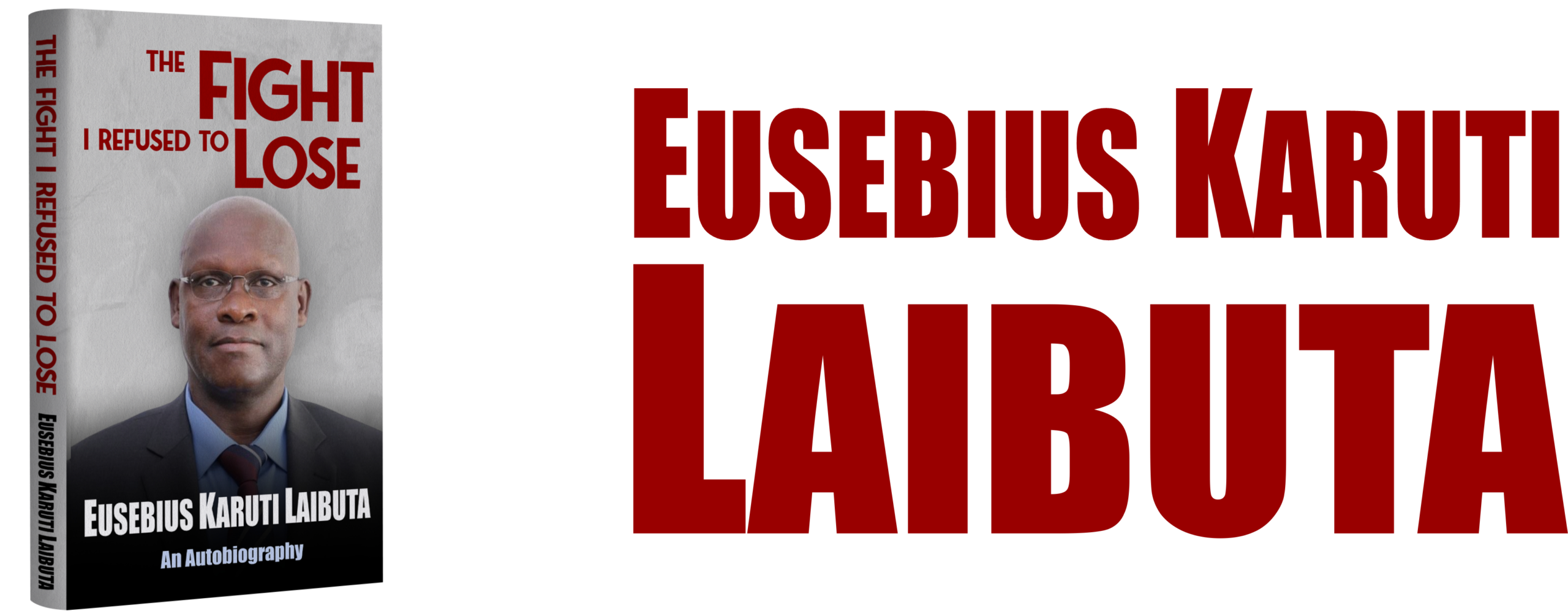

By Nathan Kiwere
Discipline is one of the most misunderstood virtues of our time. Often mistaken for punishment, rigidity, or denial, discipline is in truth a form of self-respect. It is the quiet architecture upon which meaningful lives, lasting success, and enduring excellence are built. No real success—whether in leadership, business, faith, scholarship, art, or family life—has ever been attained and sustained without discipline. Talent may open the door, opportunity may usher one in, but only discipline keeps a person in the room.
Life itself teaches this lesson early. Consider the simple act of farming, a lived reality for many households. A farmer may have fertile land and good seed, but without the discipline to prepare the soil, plant at the right season, weed consistently, and protect the crop, the harvest will fail. Rain does not reward intention; it rewards preparation. In the same way, life does not reward desire alone. It rewards disciplined action repeated over time.
Discipline matters because it bridges the gap between intention and outcome. Many people want success, but far fewer are willing to submit to the routines, sacrifices, and consistency that success demands. The student who excels is not necessarily the most intelligent, but the one disciplined enough to read when others sleep, revise when others relax, and persist when learning becomes uncomfortable. Intelligence without discipline is like a fast car without brakes—impressive, but ultimately dangerous.
In publishing, a field I have lived and worked in for years, discipline separates dreamers from authors. Many people speak passionately about the book they want to write. Few sit down daily, confront the blank page, rewrite weak paragraphs, meet deadlines, and endure rejection. Writing a book is not an event; it is a disciplined habit sustained over months and sometimes years. The same discipline is required to publish, market, and build a readership. Inspiration may spark the first sentence, but discipline finishes the manuscript.
Even in leadership and public life, discipline is the invisible hand that steadies power. History is filled with individuals who rose quickly through charisma, popularity, or circumstance, only to fall just as fast due to indiscipline—whether moral, financial, or emotional. Power without discipline is like fire without containment: it consumes everything, including its owner. Leaders who endure are those disciplined enough to restrain impulse, respect systems, listen to counsel, and act with foresight rather than emotion.
Athletics offers another clear analogy. A champion runner does not win on race day because of what they do that morning, but because of what they did when no one was watching—early mornings, painful drills, controlled diets, and relentless repetition. Discipline trains the body to obey the mind, and in time, trains the mind to endure discomfort. Life, too, is a long-distance race. Those who lack discipline may sprint briefly, but they rarely finish strong.
Discipline also matters deeply in personal character. In relationships, it is discipline that teaches patience, fidelity, forgiveness, and restraint of harmful words. In faith, discipline sustains prayer, study, and obedience even when emotions fade. In finances, discipline distinguishes wealth from windfalls—teaching one to save, invest, and live within means rather than chasing appearances. A disciplined life may not always be flashy, but it is stable, resilient, and dignified.
Perhaps the most powerful truth about discipline is this: it compounds. Small, disciplined choices made daily accumulate into extraordinary outcomes over time. Just as neglect compounds into decay, discipline compounds into mastery. What seems insignificant today becomes decisive tomorrow.
In the end, discipline is not about restriction; it is about freedom. The disciplined person is free from chaos, regret, and constant crisis management. They are free to choose their future rather than react to circumstances. Discipline is the price paid today for the life one desires tomorrow.
No one who has truly succeeded and sustained that success—across generations, institutions, or personal legacy—has done so without discipline. It is the silent partner of greatness, the unseen hand behind achievement, and the steady compass guiding lives toward purpose.
Discipline may not shout, but it always delivers.
Leave a Reply